Horse Dehydration: Signs, Causes and What Owners Should Do
Water is essential for digestion, circulation, temperature control and normal body function. Horses can become dehydrated during hot weather, exercise, travel, illness or periods when water is dirty, unfamiliar or difficult to access. Recognizing the early signs can help you respond before the problem becomes severe.
Common signs of dehydration
Possible signs include:
– Reduced interest in water
– Dry or tacky gums
– Reduced manure or unusually dry manure
– Darker urine or reduced urination
– Depression or weakness
– Poor appetite
– Increased heart rate
– Faster breathing
– Reduced skin elasticity
– Sunken-looking eyes in more severe cases
– Poor performance or reluctance to move
No single sign is perfectly reliable. A veterinarian should assess a horse that appears significantly dehydrated or unwell.
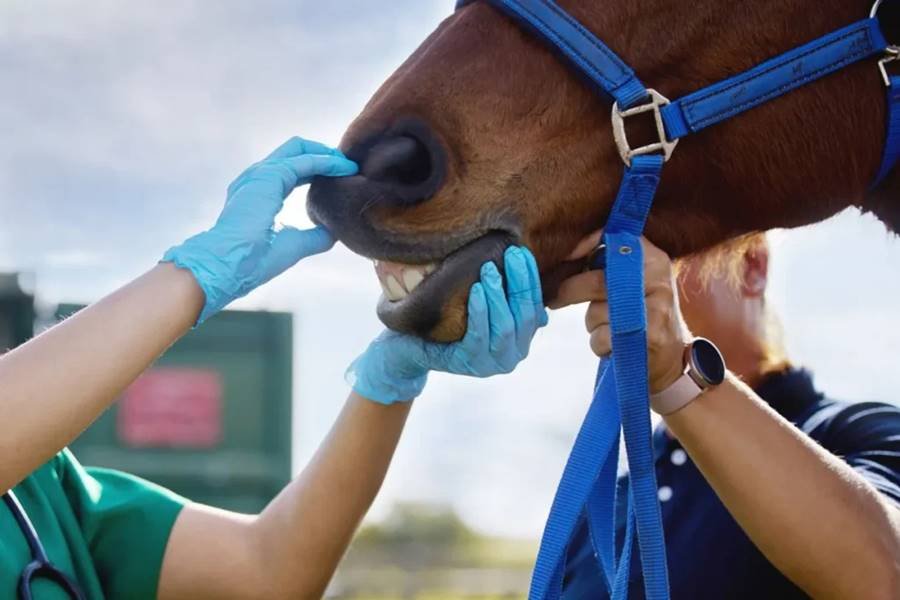
How to check the gums
Lift the lip carefully and observe the gums. Healthy gums are generally moist and pink, though normal pigmentation can make color assessment difficult.
Press a finger briefly against a pink area and release. The blanched area should generally return to its normal color quickly. Delayed refill, very pale gums, brick-red gums, blue-gray gums or dry, sticky tissues are concerning.
Do not rely on gum color alone, especially in horses with naturally pigmented gums.
Skin-pinch tests are limited
Some owners pinch a fold of skin on the neck to estimate hydration. This method is imperfect and can be affected by age, body condition, skin thickness and temperature. A normal-looking skin response does not rule out dehydration.
Use the whole picture: water intake, manure, behavior, pulse, gums, urine and recent conditions.
Why horses become dehydrated
Common causes include:
Heat and sweating
Sweating removes water and electrolytes. Long exercise sessions, high humidity and poor acclimatization increase risk.
Travel
Some horses drink less during transport because of stress, unfamiliar water, limited access or changes in routine.
Illness
Fever, diarrhea, colic, kidney problems and other illnesses can reduce intake or increase fluid loss.
Dirty or unfamiliar water
A horse may refuse water that tastes, smells or looks different. Frozen buckets, blocked automatic drinkers and algae-contaminated troughs can also reduce intake.
Dental or swallowing problems
Pain or difficulty eating and drinking can lower fluid intake.
How much water does a horse need?
Requirements vary with body size, diet, temperature, workload, pregnancy, lactation and health. Horses often drink more when eating dry hay or sweating heavily.
Provide frequent access to clean, safe water. Monitor the individual horse rather than relying on a single fixed number.
Safe ways to encourage drinking
Try:
– Offering clean water in more than one bucket
– Cleaning buckets and troughs frequently
– Checking automatic waterers
– Offering water at the horse’s usual drinking times
– Taking familiar water on trips when practical
– Offering soaked feed only if it is safe and appropriate
– Allowing the horse to rest and cool after exercise
– Asking the veterinarian whether electrolytes are appropriate
Do not force water into a horse’s mouth with a syringe or hose. This can cause aspiration or other complications.
Electrolytes: useful but not a substitute for water
Electrolytes may help replace minerals lost through heavy sweating, but they do not replace free access to water. Use a product and dose recommended by your veterinarian or equine nutrition professional.
Avoid adding strong-tasting products to every water source if it may cause the horse to refuse water. Keep plain water available.
Dehydration during travel
Before travel, make sure the horse is healthy enough to go, has access to water and is accustomed to the travel routine. During longer trips, plan safe stops and monitor drinking, manure, attitude and temperature.
Offer familiar feed and water where possible. After arrival, watch for delayed drinking, colic signs, fever or unusual fatigue.
When dehydration is an emergency
Call your veterinarian urgently if dehydration is accompanied by:
– Colic or severe abdominal pain
– Collapse or marked weakness
– Very high temperature
– Rapid or irregular pulse
– Severe diarrhea
– Little or no urination
– Abnormal gum color or delayed refill
– Difficulty swallowing
– Inability or refusal to drink
– Worsening condition despite rest and access to water
Severe dehydration may require veterinary fluids and treatment of the underlying cause.
Prevention checklist
– Provide clean water at all times.
– Check buckets and automatic drinkers daily.
– Clean troughs regularly.
– Monitor drinking during heat, travel and illness.
– Offer water before and after work.
– Introduce electrolyte products carefully.
– Record what is normal for each horse.
– Investigate sudden changes promptly.
Hydration is not just about putting out a bucket. It involves water quality, access, workload, weather, diet and health. Learn your horse’s normal drinking and manure patterns, encourage safe intake and call the veterinarian when dehydration is suspected alongside illness or abnormal vital signs.
FAQs
Will a horse drink more after adding salt?
Salt can support normal sodium intake and may encourage drinking in some situations, but it is not a guaranteed solution. Ask your veterinarian about appropriate salt and electrolyte use.
Should I offer water immediately after exercise?
Yes, cooled-down horses should have access to clean water. Management after intense work should be appropriate to the weather, workload and veterinary guidance.
Can dehydration cause colic?
Dehydration can contribute to digestive problems and may occur alongside colic. Any horse with colic signs should be assessed promptly.