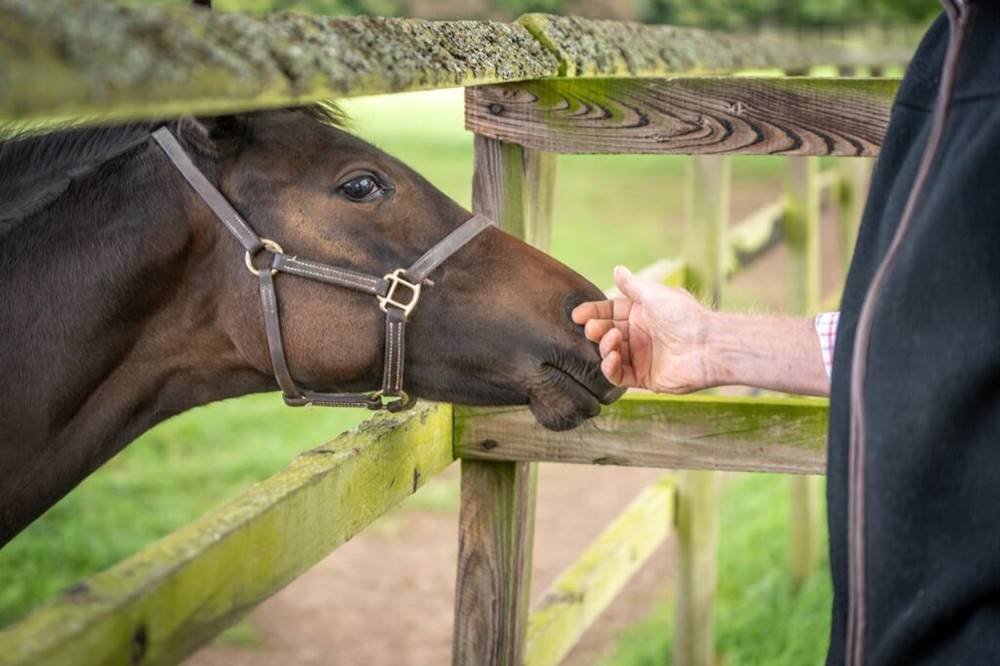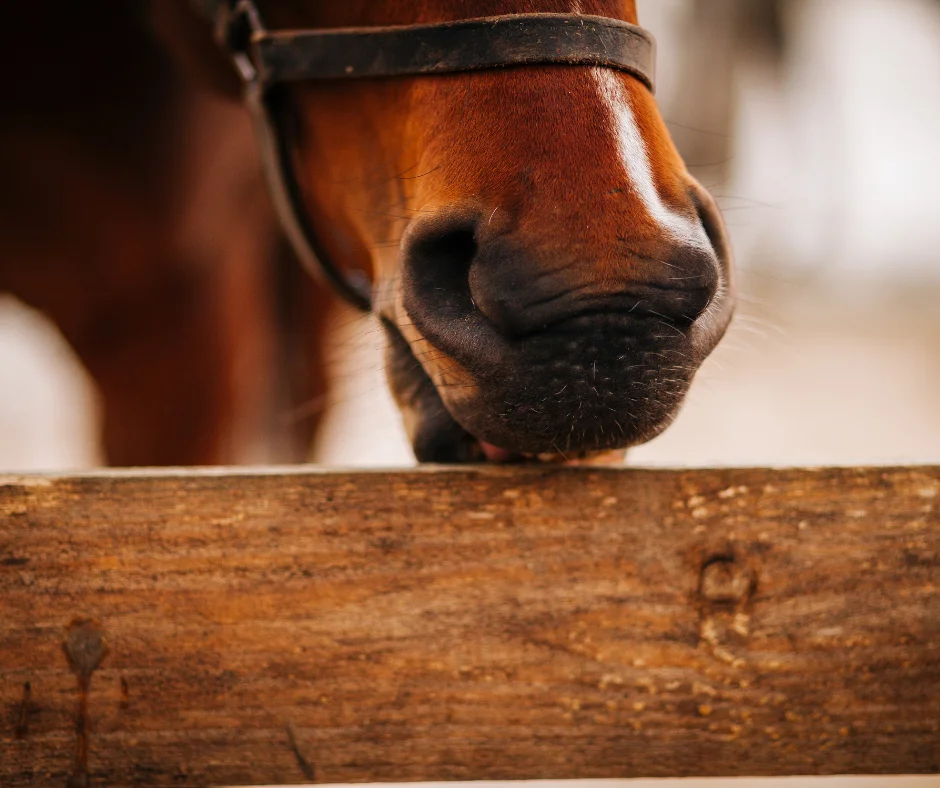
Chewing wood is a common behavior among horses, and while it might seem harmless at first, it can lead to damage to fences, stalls, and other structures, not to mention potential harm to the horse itself.
Whether it’s a foal, a young horse, or an older one, wood chewing can become a persistent problem if not addressed. If you’re struggling with a horse that has developed the habit of chewing wood, don’t worry – there are effective strategies and solutions to help stop this behavior. In this article, we’ll go over the causes of wood chewing and share some proven techniques to prevent it.
Why Do Horses Chew Wood?
Before we dive into how to stop the behavior, it’s important to understand why horses chew on wood. There are several common reasons for this behavior, including:
1. Boredom
Horses are intelligent creatures that need stimulation. When they are kept in stalls with little to do, they may start chewing on wood to pass the time and alleviate their boredom.
2. Teething
Young horses, particularly foals and yearlings, often chew on wood as a way to relieve the discomfort that comes with teething. This is a natural behavior, but it can turn into a habit if not managed.
3. Nutritional Deficiencies
Chewing on wood can sometimes be a sign that your horse isn’t getting enough of certain nutrients in their diet. Horses may chew on wood as a way to satisfy a craving for fiber, minerals, or other missing nutrients.
4. Stress and Anxiety
Just like people, horses can develop habits due to stress. If a horse is feeling anxious or stressed, it may chew on wood as a self-soothing mechanism.
5. Learned Behavior
Sometimes, horses begin chewing wood because they’ve observed other horses doing it. If a horse in the same barn or pasture chews wood, younger or less dominant horses might mimic this behavior.
Effective Strategies to Stop Wood Chewing
Now that we understand why horses chew on wood, let’s look at practical steps you can take to stop it.
1. Provide More Grazing Time
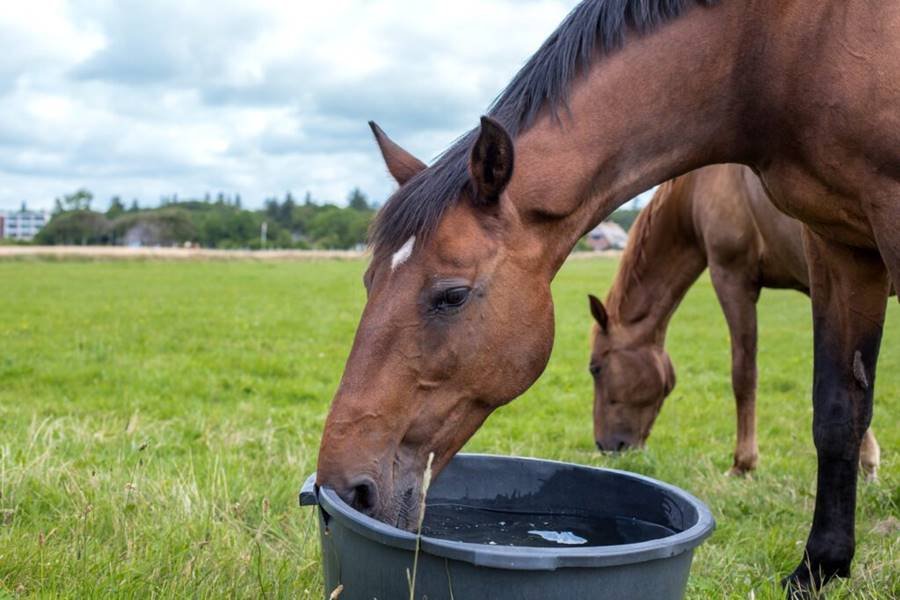
Horses are natural grazers, and they require ample time to graze throughout the day. Allowing your horse to spend more time outside on pasture can greatly reduce the likelihood of wood chewing. Fresh grass provides not only the fiber they need but also keeps them mentally engaged.
If your horse is kept in a stall and can’t graze all day, consider using a slow feeder or hay net. These devices allow your horse to eat smaller portions of hay throughout the day, mimicking the natural foraging behavior and reducing boredom.
2. Increase Mental and Physical Stimulation
To prevent boredom, your horse needs to have plenty of physical and mental stimulation. Regular exercise, such as daily riding or lunging, will tire them out and reduce the urge to chew. In addition to exercise, try incorporating some mental challenges. For example, teach your horse new tricks, provide puzzle feeders, or introduce safe toys like balls or ropes for them to interact with.
Keeping your horse busy and engaged will make them less likely to resort to chewing wood as a way to entertain themselves.
3. Offer Chew-Friendly Alternatives
If your horse enjoys chewing, give them something safe and satisfying to chew on that’s designed for horses. Rubber toys, hanging blocks, and tree branches from safe, horse-friendly trees (such as willow) are good options. These alternatives can redirect their chewing behavior and satisfy their need to gnaw.
There are also specially designed horse chew toys and “wooden” treats that mimic the texture of wood without causing damage. Offer these to your horse when you notice them starting to chew on the wood in their stall or pasture.
4. Improve Their Diet
Ensure that your horse’s diet is well-balanced and contains all the necessary nutrients, particularly fiber. Horses that aren’t getting enough fiber may chew on wood to make up for the deficiency. Provide high-quality hay, and if necessary, supplement with other fiber-rich foods like alfalfa or beet pulp.
It’s also important to make sure your horse is getting the right minerals, vitamins, and electrolytes in their diet. Consult with a veterinarian or equine nutritionist to ensure that your horse’s nutritional needs are being met.
5. Use Deterrents on Wood Surfaces
If your horse continues to chew wood despite your best efforts, consider applying a safe, bitter-tasting deterrent to the wood surfaces. These deterrents are typically non-toxic and unpleasant to horses, making them less likely to chew on the treated areas. Some commercial sprays are designed specifically for this purpose.
While deterrents can be effective in the short term, they should be used in combination with other methods, such as increasing grazing time or providing chew toys. Deterrents alone won’t address the underlying causes of the behavior.
6. Address Stress and Anxiety
If your horse’s wood chewing seems to be linked to stress or anxiety, it’s important to address the root cause. Horses can become stressed for many reasons, including changes in their environment, separation from other horses, or lack of socialization.
Try to create a calm, stable environment for your horse. Ensure that they have plenty of interaction with other horses, especially if they’re kept in stalls. If stress is severe, you might want to consult with a veterinarian or equine behaviorist for advice on managing anxiety.
7. Provide Proper Stabling
Horses that are confined to cramped or uncomfortable stalls may become stressed and engage in behaviors like wood chewing. Ensure that your horse’s stable is spacious, well-ventilated, and free from other stressors.
If your horse is kept in a stall for long periods, make sure it has enough bedding and comfortable space to lie down. You can also consider adding a companion animal, such as another horse or a goat, to help reduce feelings of loneliness.
8. Monitor for Underlying Health Issues
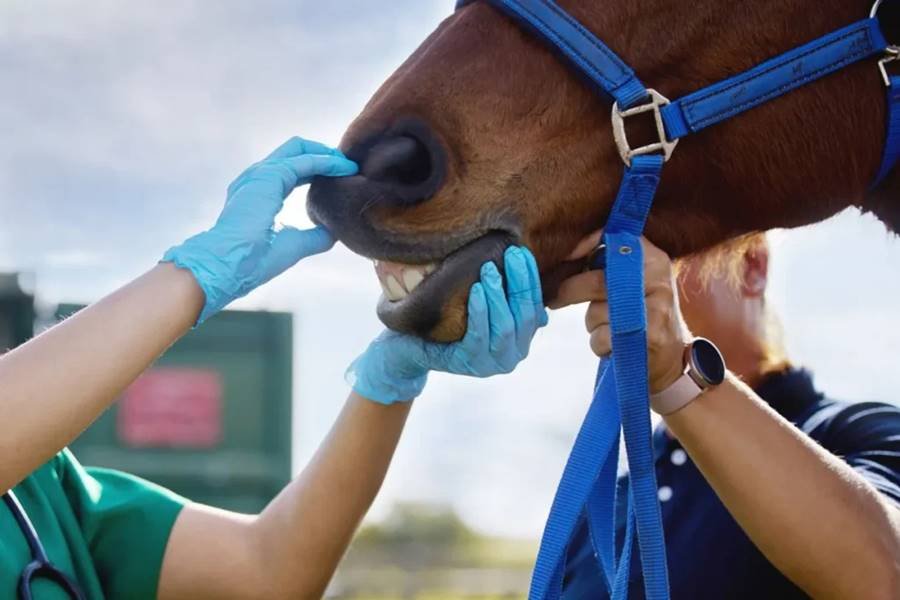
In some cases, wood chewing can be linked to underlying health issues such as dental problems, digestive discomfort, or a lack of proper nutrition. If the behavior persists despite your efforts to address the environmental and behavioral factors, it’s a good idea to consult with a veterinarian. They can rule out any potential health problems and help you find a more targeted solution.
Wood chewing in horses is a common behavior, but with the right strategies, it’s possible to stop or prevent it. By providing your horse with ample grazing time, mental stimulation, safe chew alternatives, and a balanced diet, you can help redirect their chewing behavior. Addressing any stress or anxiety and creating a comfortable living environment will also go a long way in preventing this habit.
If you’ve tried these strategies and the behavior persists, don’t hesitate to consult with a veterinarian or equine behaviorist for additional support. By working together, you can ensure your horse remains healthy, happy, and wood-free!