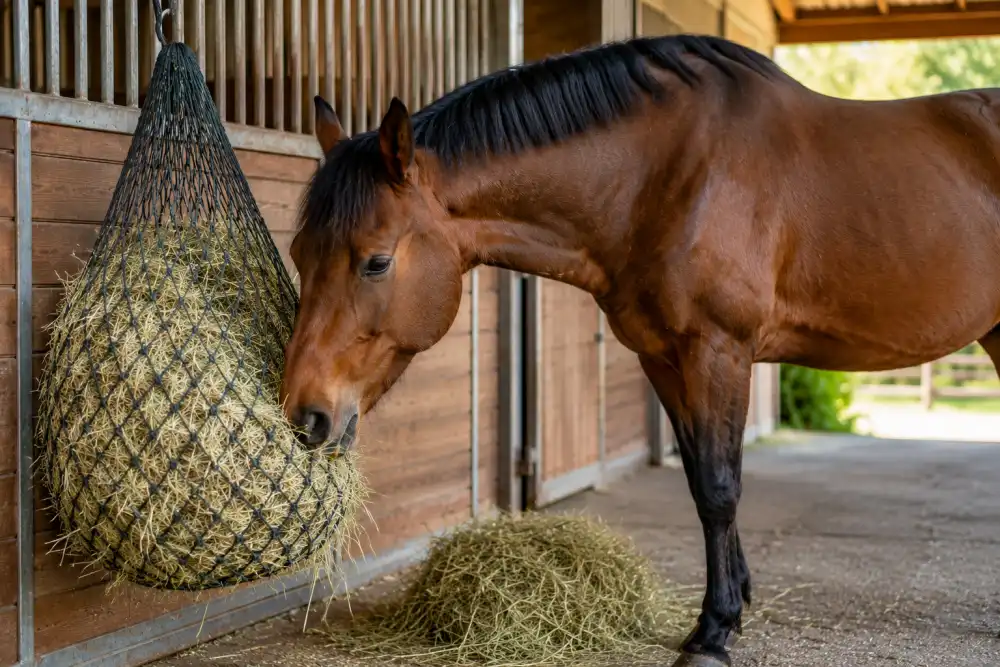
horse gastric ulcer prevention feeding is a search phrase that deserves a specific answer rather than a generic horse-care template. Horse Gastric Ulcers: Feeding and Management Mistakes to Avoid can affect daily management, welfare and, in some cases, how quickly an owner needs professional help. The most useful starting point is to understand the subject in context: the individual horse, what changed, how quickly it changed, and whether pain or illness may be involved.
Why ulcer signs are easy to misread
Why ulcer signs are easy to misread matters because horse gastric ulcers: feeding and management mistakes to avoid is rarely decided by one observation alone. Owners get better information by comparing the current situation with the horse’s usual appetite, behaviour, movement, manure, water intake, workload and environment. A sudden change carries a different meaning from a pattern that has developed gradually.
In practical terms, keep the focus on the question behind the heading. With horse gastric ulcer prevention feeding, details such as age, body condition, forage, pasture access, hoof condition, recent travel or changes in routine may alter the next step. Avoid copying a plan designed for another horse: similar-looking signs can have different causes and the safest management choice depends on the underlying problem.
- Write down when the change was first noticed.
- Note recent changes in feed, turnout, workload or environment.
- Compare the horse with its own normal baseline.
- Escalate promptly when significant pain, distress or deterioration is present.
Feeding patterns that deserve attention
Feeding patterns that deserve attention matters because horse gastric ulcers: feeding and management mistakes to avoid is rarely decided by one observation alone. Owners get better information by comparing the current situation with the horse’s usual appetite, behaviour, movement, manure, water intake, workload and environment. A sudden change carries a different meaning from a pattern that has developed gradually.
In practical terms, keep the focus on the question behind the heading. With horse gastric ulcer prevention feeding, details such as age, body condition, forage, pasture access, hoof condition, recent travel or changes in routine may alter the next step. Avoid copying a plan designed for another horse: similar-looking signs can have different causes and the safest management choice depends on the underlying problem.
A useful way to avoid guesswork is to change one non-urgent management factor at a time and then observe the response. That does not apply when the horse may be experiencing an emergency; in that situation, protecting the horse and contacting the appropriate professional takes priority over experimenting with home remedies.
Long forage gaps and meal management
Long forage gaps and meal management matters because horse gastric ulcers: feeding and management mistakes to avoid is rarely decided by one observation alone. Owners get better information by comparing the current situation with the horse’s usual appetite, behaviour, movement, manure, water intake, workload and environment. A sudden change carries a different meaning from a pattern that has developed gradually.
In practical terms, keep the focus on the question behind the heading. With horse gastric ulcer prevention feeding, details such as age, body condition, forage, pasture access, hoof condition, recent travel or changes in routine may alter the next step. Avoid copying a plan designed for another horse: similar-looking signs can have different causes and the safest management choice depends on the underlying problem.
Think beyond the immediate symptom. The same issue can be influenced by season, housing, dental status, nutrition, exercise, parasite control or chronic disease. Good long-term management therefore combines observation with targeted professional input instead of relying on a single product, supplement or internet shortcut.
Work, stress and stable routine
Work, stress and stable routine matters because horse gastric ulcers: feeding and management mistakes to avoid is rarely decided by one observation alone. Owners get better information by comparing the current situation with the horse’s usual appetite, behaviour, movement, manure, water intake, workload and environment. A sudden change carries a different meaning from a pattern that has developed gradually.
In practical terms, keep the focus on the question behind the heading. With horse gastric ulcer prevention feeding, details such as age, body condition, forage, pasture access, hoof condition, recent travel or changes in routine may alter the next step. Avoid copying a plan designed for another horse: similar-looking signs can have different causes and the safest management choice depends on the underlying problem.
- Write down when the change was first noticed.
- Note recent changes in feed, turnout, workload or environment.
- Compare the horse with its own normal baseline.
- Escalate promptly when significant pain, distress or deterioration is present.
Why supplements are not a diagnosis
Why supplements are not a diagnosis matters because horse gastric ulcers: feeding and management mistakes to avoid is rarely decided by one observation alone. Owners get better information by comparing the current situation with the horse’s usual appetite, behaviour, movement, manure, water intake, workload and environment. A sudden change carries a different meaning from a pattern that has developed gradually.
In practical terms, keep the focus on the question behind the heading. With horse gastric ulcer prevention feeding, details such as age, body condition, forage, pasture access, hoof condition, recent travel or changes in routine may alter the next step. Avoid copying a plan designed for another horse: similar-looking signs can have different causes and the safest management choice depends on the underlying problem.
A useful way to avoid guesswork is to change one non-urgent management factor at a time and then observe the response. That does not apply when the horse may be experiencing an emergency; in that situation, protecting the horse and contacting the appropriate professional takes priority over experimenting with home remedies.
Common mistakes after treatment begins
Common mistakes after treatment begins matters because horse gastric ulcers: feeding and management mistakes to avoid is rarely decided by one observation alone. Owners get better information by comparing the current situation with the horse’s usual appetite, behaviour, movement, manure, water intake, workload and environment. A sudden change carries a different meaning from a pattern that has developed gradually.
In practical terms, keep the focus on the question behind the heading. With horse gastric ulcer prevention feeding, details such as age, body condition, forage, pasture access, hoof condition, recent travel or changes in routine may alter the next step. Avoid copying a plan designed for another horse: similar-looking signs can have different causes and the safest management choice depends on the underlying problem.
Think beyond the immediate symptom. The same issue can be influenced by season, housing, dental status, nutrition, exercise, parasite control or chronic disease. Good long-term management therefore combines observation with targeted professional input instead of relying on a single product, supplement or internet shortcut.
Creating a lower-risk daily routine
Creating a lower-risk daily routine matters because horse gastric ulcers: feeding and management mistakes to avoid is rarely decided by one observation alone. Owners get better information by comparing the current situation with the horse’s usual appetite, behaviour, movement, manure, water intake, workload and environment. A sudden change carries a different meaning from a pattern that has developed gradually.
In practical terms, keep the focus on the question behind the heading. With horse gastric ulcer prevention feeding, details such as age, body condition, forage, pasture access, hoof condition, recent travel or changes in routine may alter the next step. Avoid copying a plan designed for another horse: similar-looking signs can have different causes and the safest management choice depends on the underlying problem.
- Write down when the change was first noticed.
- Note recent changes in feed, turnout, workload or environment.
- Compare the horse with its own normal baseline.
- Escalate promptly when significant pain, distress or deterioration is present.
When poor performance needs investigation
When poor performance needs investigation matters because horse gastric ulcers: feeding and management mistakes to avoid is rarely decided by one observation alone. Owners get better information by comparing the current situation with the horse’s usual appetite, behaviour, movement, manure, water intake, workload and environment. A sudden change carries a different meaning from a pattern that has developed gradually.
In practical terms, keep the focus on the question behind the heading. With horse gastric ulcer prevention feeding, details such as age, body condition, forage, pasture access, hoof condition, recent travel or changes in routine may alter the next step. Avoid copying a plan designed for another horse: similar-looking signs can have different causes and the safest management choice depends on the underlying problem.
A useful way to avoid guesswork is to change one non-urgent management factor at a time and then observe the response. That does not apply when the horse may be experiencing an emergency; in that situation, protecting the horse and contacting the appropriate professional takes priority over experimenting with home remedies.
Putting horse gastric ulcers: feeding and management mistakes to avoid into a workable routine
The goal is not to create a complicated checklist. It is to build a repeatable routine around the specific risks associated with horse gastric ulcer prevention feeding. Keep records, review what changes, and use those observations when speaking with a veterinarian, farrier or equine nutrition professional. Over time, that produces a much clearer picture than memory alone.
Horse Gastric Ulcers: Feeding and Management Mistakes to Avoid is best approached as a practical management question, not a search for one universal answer. Learn the normal pattern for the individual horse, act early when meaningful changes appear, and use professional diagnosis when the cause is uncertain or the horse is uncomfortable. That combination of informed observation and appropriate help is more useful than either ignoring warning signs or making repeated unplanned changes.
Related Horse Facts
- Recognizing the Signs of Gastric Ulcers in Horses
- Treating and Preventing Gastric Ulcers in Horses
- Health Conditions to Consider When Trying a Horse