Good horse management is often about noticing small details before they become larger problems. With horse weight tape accuracy, a sensible routine can reduce guesswork and make it easier to recognise when something has changed from normal.
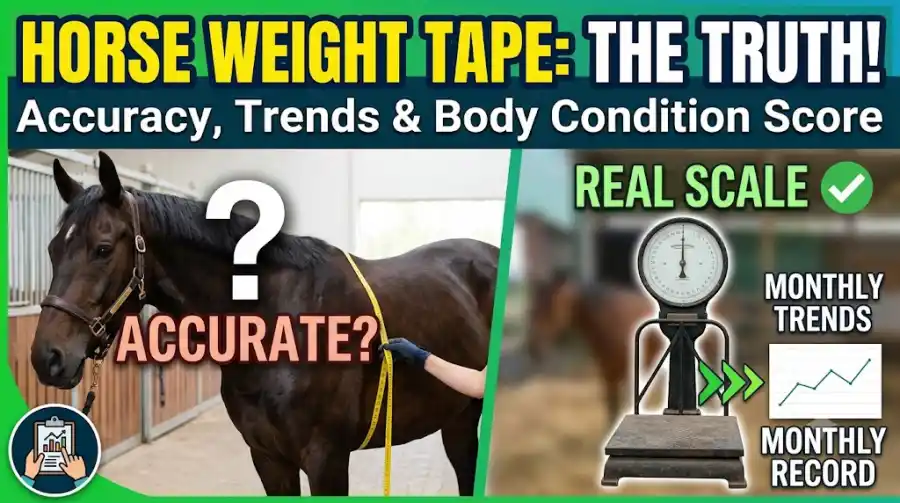
What a weight tape actually estimates
What a weight tape actually estimates is best considered in the context of this particular horse. Age, workload, turnout, diet, housing and previous problems can all change what is appropriate. Compare the current situation with the horse’s own normal pattern rather than assuming another horse’s routine will fit.
For horse weight tape accuracy, avoid treating one internet tip as a complete plan. Consider the purpose of the change, what could go wrong, and how you will know whether it helped. When pain, illness, sudden deterioration or safety concerns are involved, contact the appropriate veterinarian, farrier or qualified professional.
How to measure consistently
Start with observable facts. Note timing, appetite, water intake, manure, movement and recent management changes where they are relevant. A written record is often more useful than memory, especially when a pattern develops gradually or when several people care for the same horse.
For horse weight tape accuracy, avoid treating one internet tip as a complete plan. Consider the purpose of the change, what could go wrong, and how you will know whether it helped. When pain, illness, sudden deterioration or safety concerns are involved, contact the appropriate veterinarian, farrier or qualified professional.
Practical point
Make one clear observation or management change at a time when the situation is not urgent. That makes it easier to judge the result and avoids losing track of what changed.
Why body shape changes the result
A practical solution should also be sustainable. The best management plan is one that can be followed consistently, reviewed when conditions change and adjusted without creating unnecessary stress or risk.
For horse weight tape accuracy, avoid treating one internet tip as a complete plan. Consider the purpose of the change, what could go wrong, and how you will know whether it helped. When pain, illness, sudden deterioration or safety concerns are involved, contact the appropriate veterinarian, farrier or qualified professional.
Using the same tape and position
Using the same tape and position is best considered in the context of this particular horse. Age, workload, turnout, diet, housing and previous problems can all change what is appropriate. Compare the current situation with the horse’s own normal pattern rather than assuming another horse’s routine will fit.
For horse weight tape accuracy, avoid treating one internet tip as a complete plan. Consider the purpose of the change, what could go wrong, and how you will know whether it helped. When pain, illness, sudden deterioration or safety concerns are involved, contact the appropriate veterinarian, farrier or qualified professional.
Weight versus body condition score
Start with observable facts. Note timing, appetite, water intake, manure, movement and recent management changes where they are relevant. A written record is often more useful than memory, especially when a pattern develops gradually or when several people care for the same horse.
For horse weight tape accuracy, avoid treating one internet tip as a complete plan. Consider the purpose of the change, what could go wrong, and how you will know whether it helped. When pain, illness, sudden deterioration or safety concerns are involved, contact the appropriate veterinarian, farrier or qualified professional.
Practical point
Make one clear observation or management change at a time when the situation is not urgent. That makes it easier to judge the result and avoids losing track of what changed.
Tracking trends rather than chasing one number
A practical solution should also be sustainable. The best management plan is one that can be followed consistently, reviewed when conditions change and adjusted without creating unnecessary stress or risk.
For horse weight tape accuracy, avoid treating one internet tip as a complete plan. Consider the purpose of the change, what could go wrong, and how you will know whether it helped. When pain, illness, sudden deterioration or safety concerns are involved, contact the appropriate veterinarian, farrier or qualified professional.
When an actual scale is useful
When an actual scale is useful is best considered in the context of this particular horse. Age, workload, turnout, diet, housing and previous problems can all change what is appropriate. Compare the current situation with the horse’s own normal pattern rather than assuming another horse’s routine will fit.
For horse weight tape accuracy, avoid treating one internet tip as a complete plan. Consider the purpose of the change, what could go wrong, and how you will know whether it helped. When pain, illness, sudden deterioration or safety concerns are involved, contact the appropriate veterinarian, farrier or qualified professional.
Keeping a monthly record
Start with observable facts. Note timing, appetite, water intake, manure, movement and recent management changes where they are relevant. A written record is often more useful than memory, especially when a pattern develops gradually or when several people care for the same horse.
For horse weight tape accuracy, avoid treating one internet tip as a complete plan. Consider the purpose of the change, what could go wrong, and how you will know whether it helped. When pain, illness, sudden deterioration or safety concerns are involved, contact the appropriate veterinarian, farrier or qualified professional.
A simple action plan
- Assess the horse’s current routine and environment.
- Identify the specific factor that needs attention.
- Make changes gradually when appropriate.
- Monitor the result using consistent observations.
- Seek professional help when the problem involves significant pain, illness or uncertainty.
Horse Weight Tape: How Accurate Is It and How Should You Use It? is most useful when it leads to better day-to-day decisions rather than a rigid formula. Use the horse’s normal baseline, keep practical records and adapt the plan as weather, workload and condition change. That approach gives you a stronger foundation than repeatedly reacting to isolated symptoms.
Safety should remain part of every management decision. If a procedure places the handler at risk or requires skills the owner does not have, stopping and getting experienced help is a better choice than forcing the task.
How to measure consistently and other management details often interact. A change in turnout can affect feeding behaviour; weather can affect footing and water intake; travel can alter both appetite and routine. Looking at those connections helps prevent a narrow solution from creating a different problem elsewhere.
Consistency does not mean refusing to adapt. It means knowing what the normal routine is well enough to recognise when an adjustment is justified. Review the plan after major seasonal changes, changes in workload or any significant shift in the horse’s condition.
When several people handle the horse, written communication can prevent accidental inconsistency. A short record of feed, turnout, observations and planned changes is often enough to keep everyone working from the same information.
Safety should remain part of every management decision. If a procedure places the handler at risk or requires skills the owner does not have, stopping and getting experienced help is a better choice than forcing the task.
Tracking trends rather than chasing one number and other management details often interact. A change in turnout can affect feeding behaviour; weather can affect footing and water intake; travel can alter both appetite and routine. Looking at those connections helps prevent a narrow solution from creating a different problem elsewhere.
Consistency does not mean refusing to adapt. It means knowing what the normal routine is well enough to recognise when an adjustment is justified. Review the plan after major seasonal changes, changes in workload or any significant shift in the horse’s condition.
Related Horse Facts
- How Do I Tell If My Horse Needs Worming? What Signs To Look For
- 7 Essential Horse Medical Supplies and How to Use Them for Optimal Health
- What’s the Weight Limit for a Horse? Understanding How Much One Horse Can Carry